
As soon as we are hit by a difficult situation, one of the very first emotions that sprouts out is Anger. Fear, disappointment, anxiety, and insecurities are all the emotions that we experience later on. In What to Do While You Count to 10: Manage Your Anger – Change Your Life, author David W. Earle, LPC, explores how understanding these hidden emotions can change our responses. His central insight is that anger itself is not necessarily destructive; the way we interpret and express it determines its impact. This is where anger and self-awareness become essential to healthier emotional responses.
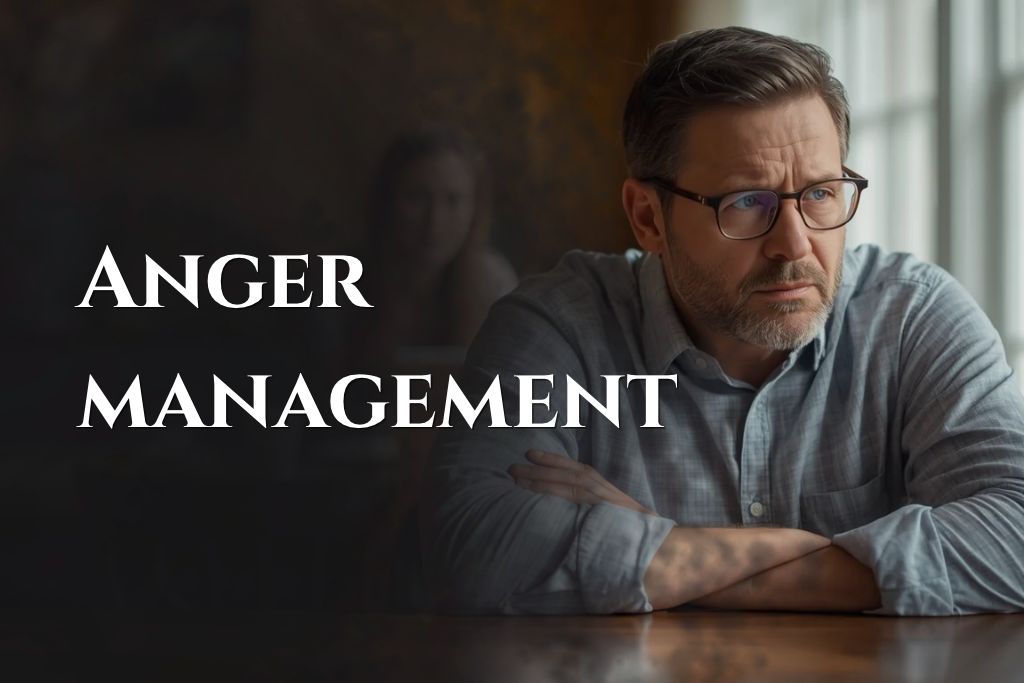
Understanding What Lies Beneath Anger
Coping with anger comes much later, when you are overwhelmed with reactions and emotions; one of the very first things is to understand what lies beneath anger. Earle develops this idea through counseling sessions between Eli Carlson, a counselor, and Jack Walton, a client whose unmanaged anger has damaged his family relationships. Jack initially sees anger as something he would rather eliminate. However, his conversations with Eli reveal a more complicated reality: anger can signal a perceived threat, injustice, or personal concern. The challenge is learning to recognize that signal without allowing it to dictate behavior.
One revealing example involves Jack confronting his teenage daughter when she attempts to leave the house secretly at night. He responds by shouting, believing that frightening her will prevent future misconduct. Later, he remembers the fear on her face and recognizes the harm caused by his reaction. Beneath his anger were fear for her safety, disappointment, emotional pain, and a sense of disrespect.
This episode illustrates how self-awareness helps manage anger. Jack’s reaction becomes understandable when he identifies the emotions beneath it, but understanding does not excuse the harm he causes. Instead, awareness creates an opportunity to take responsibility and choose a different response.
Developing Awareness of Anger Patterns
Self-awareness also involves recognizing the physical signs that appear before anger becomes overwhelming. Earle identifies symptoms such as a racing heart, shortness of breath, muscle tension, clenched fists, agitation, and shaking. These bodily responses can serve as early warnings that an emotional reaction is building.
Recognizing these signals matters because anger rarely begins with an outburst alone. There may be a gradual progression from irritation to frustration and then to rage. When individuals learn to recognize their personal warning signs, they have a better opportunity to interrupt this progression before it damages a conversation or relationship.
Earle’s approach challenges the familiar advice to count to ten simply. Counting alone may accomplish little if angry thoughts continue unchecked. The more meaningful task is to use that pause to examine feelings, question assumptions, and regain control over the next action.
How Thoughts Influence Angry Reactions
A major principle in Earle’s book is that thoughts influence feelings, and feelings can shape actions. Two people may experience the same event but interpret it differently, producing different emotional responses. Anger can intensify when someone treats an assumption as a fact or interprets another person’s behavior as a deliberate insult.
Earle explains this through the distinction between emotions and the thoughts that produce them. Feelings are real experiences, but the assumptions behind them may be true, false, or based on incomplete information. Recognizing this difference allows a person to examine an emotional response rather than immediately act on it.
For example, someone who receives a delayed reply to a message might assume they are being ignored. That interpretation can create resentment, even when the other person is simply busy. Asking whether the assumption is accurate introduces space for a more reasonable response.
Developing awareness of anger patterns therefore requires examining not only what happened but also the meaning assigned to the event. Questions such as “What am I feeling?” “What thought is driving this feeling?” and “Do I need more information?” help interrupt automatic reactions. This process shifts attention from blame toward understanding and informed decision-making.
Emotional Awareness Techniques for Managing Anger
In What to Do While You Count to 10, Earle presents the T.I.E. Anger Management Model, which emphasizes three connected elements: feelings, thoughts, and actions. The approach encourages people to identify their emotions, understand the thinking behind them, and consciously decide how to respond.
Several practical techniques follow this framework:
- Identify the emotion: Determine whether anger is masking fear, hurt, disappointment, or frustration.
- Examine the thought: Ask whether the interpretation of an event is accurate or whether more information is needed.
- Recognize physical signals: Notice tension, a racing heartbeat, or clenched teeth before reacting.
- Choose the response: Consider the consequences of speaking or acting immediately instead of following the first impulse.
These emotional awareness techniques for managing anger are not about suppressing feelings. They help people acknowledge their emotions without treating every emotional impulse as an instruction. The distinction is important: a person can feel angry and still communicate respectfully, establish boundaries, or address a genuine problem.
How Emotional Awareness Improves Relationships
The consequences of unmanaged anger are particularly visible in close relationships. Jack’s story demonstrates how a parent can intend to protect a child yet communicate through intimidation. His intentions may come from concern, but his behavior creates fear rather than trust. This contrast gives Earle’s discussion its emotional weight: good intentions cannot erase the effects of harmful actions.
Understanding emotions can change this pattern. When people recognize that fear or disappointment lies beneath their anger, they can explain their concerns without attacking others. Instead of accusing a family member of disrespect, they can describe what worried them and discuss the behavior that needs to change.
This is how emotional awareness improves relationships: it encourages accountability, clearer communication, and a distinction between expressing a concern and punishing someone for causing it. It also helps individuals recognize that another person’s anger does not automatically require an angry response in return.
For readers exploring how to control anger and aggression, Earle’s work offers a useful starting point: managing anger begins with understanding it. Awareness does not guarantee reconciliation or prevent every disagreement, but it creates room for more constructive choices.
Conclusion
Anger and self-awareness are closely connected because recognizing an emotion allows us to understand it before acting. David W. Earle’s What to Do While You Count to 10 illustrates this principle through Jack’s gradual recognition of the fear, hurt, and assumptions beneath his outbursts. By examining thoughts, noticing warning signs, and choosing deliberate responses, individuals can transform anger from a destructive reaction into a constructive signal. The goal is not to eliminate anger but to respond with greater clarity, responsibility, and respect.